
Understanding Spica Surgery in Children
Spica (pronounced ‘spy-kah’) surgery is a type of orthopaedic procedure used to treat and stabilise conditions affecting a child’s hips or upper leg. It is most commonly performed when the hip joint of femur (thigh bone) needs to be held in precise position to heal safely after injury or corrective surgery.
Following surgery, a Spica cast is applied. This cast supports the healing by keeping the hips and lower body securely positioned while the bones heal. A Spica cast typically extends from the chest or waist down one or both legs, depending on the child’s condition and the type of surgery performed.
Why might a child need a spica cast?
Spica casts are used when a child requires strong, long term stabilisation of the hip or upper leg. This helps ensure bones heal in the correct position and reduces the risk of complications during recovery.
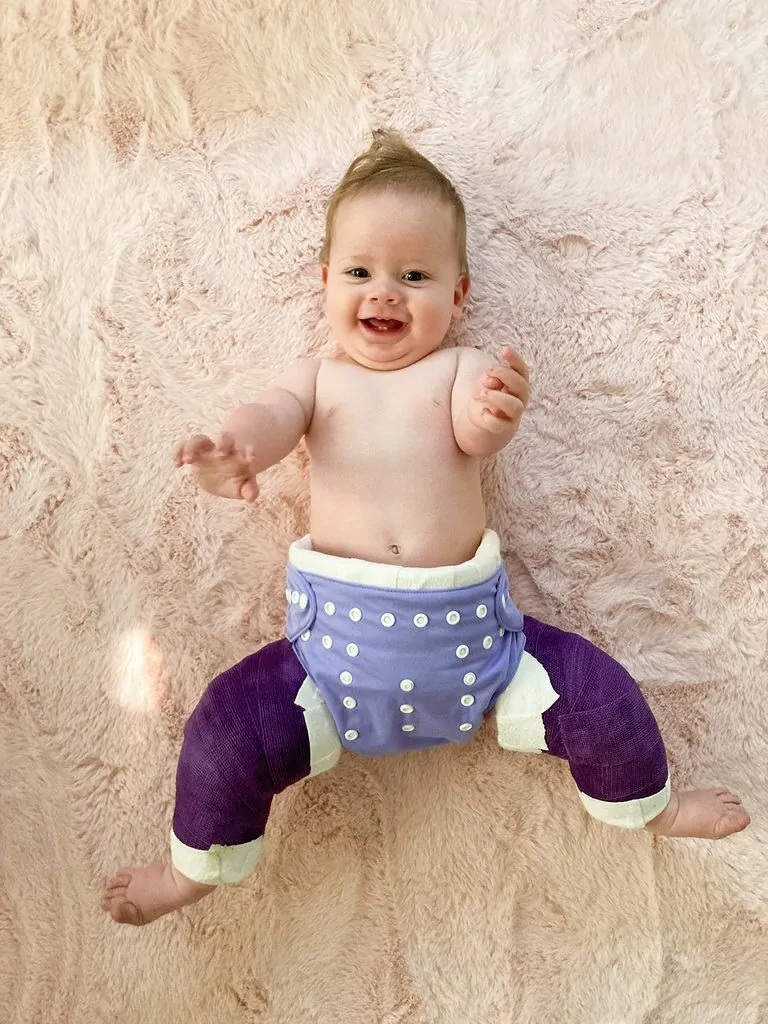
Common reasons include:
- Developmental dysplasia of the hip (DDH)
- Hip reconstruction or corrective surgery
- Femur (thigh bone) fractures
- Post-operative immobilisation following orthopaedic surgery
In all cases, the goal is the same: to keep the hips in a safe, stable position so the bone and joint structures can heal and develop correctly.
What happens during Spica surgery?
Spica surgery is carried out in a hospital operating theatre under general anaesthetic.
Once the surgical procedure is complete, the medical team applies a plaster or fibreglass cast while the child is still asleep. The cast is carefully moulded around the body to ensure the hips are positioned at the correct angle for healing.
Key steps typically include:
- Positioning the child safely on a supportive frame
- Applying padding to protect pressure areas
- Moulding the cast to hold the hips in the required alignment
- Allowing the cast to set before the child wakes
After surgery, children usually remain in the Spica cast for several weeks. The exact duration depends on the underlying condition and the clinical plan set by the orthopaedic team.
What does recovery in a spica cast involve?
Every child’s recovery is different, but life in a Spica cast does require adjustments at home and in hospital.
In the early days, families often need support with:
- Safe positioning and transfers
- Personal care and hygiene
- Sleeping and comfort
- Mobility and day to day routines
It can feel like a significant change at first, particularly when leaving hospital, as normal movement is temporarily restricted. However, with the right setup and support, children are often able to settle into a more comfortable routine quite quickly.
Supporting Your Child after spica surgery
The transition from hospital to home in an important stage in recovery. Specialist seating and positioning equipment can make a meaningful difference during this time, helping to:
- Maintain safe and supported positioning outside of bed
- Improve comfort during sitting and daily activities
- Reduce strain on parents and carers during transfers
- Support participation in family life while healing takes place
Having the right equipment in place early can help families feel more confident managing care at home and support a smoother recovery period.
How we can help
We provide short term equipment solutions designed specifically to support children recovering in a Spica cast. Our aim is to make the transition from hospital to home as safe, comfortable, and practical as possible.
Find out more about our Spica Hire Service and how we support families during recovery.