
Case Study – LJ
How the right seating helped improve comfort and breathing
Background
LJ was referred for an urgent seating assessment shortly after discharge from Alder Hey Hospital following a complex stay in Intensive Care and spinal corrective surgery.
At the time of assessment, she remained medically fragile with significant respiratory needs, including oxygen dependency. She presented with reduced tolerance to positioning, visible stress, and a need for careful postural support to enable safe upright sitting.
This referral represented the type of highly complex clinical presentation often encountered by occupational therapists, physiotherapists, case managers, and multidisciplinary teams supporting children with significant medical, respiratory, and postural needs following critical illness or recovering from surgery.
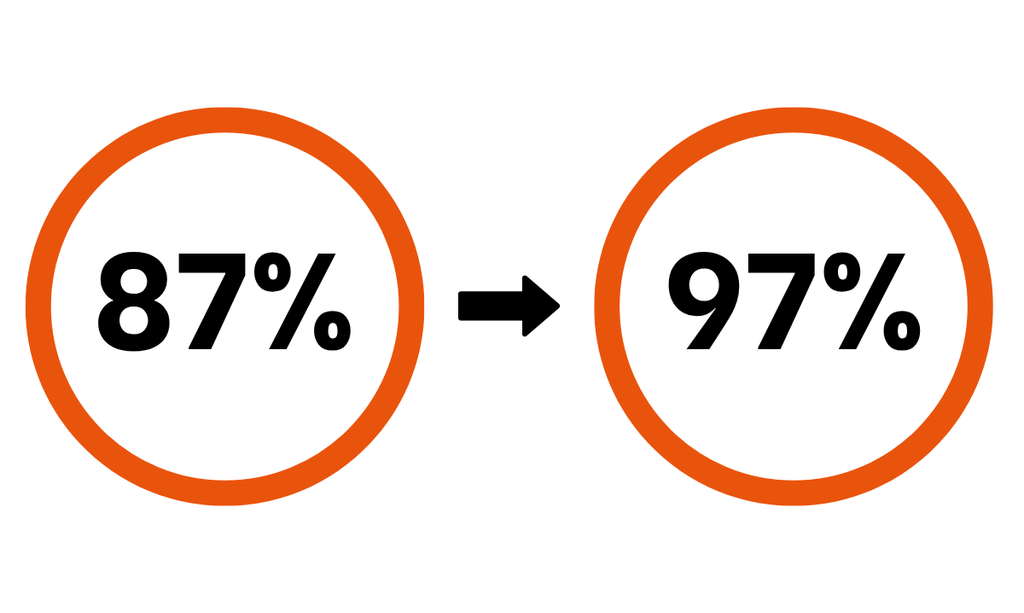
When assessed in a supine position, LJ’s oxygen saturation levels were recorded at 87%.
Clinical challenge
The clinical objective was to identify a seating solution that could:
Given LJ’s medical complexity and recent discharge from intensive care. a positional change required careful consideration of her physiological response.
Intervention
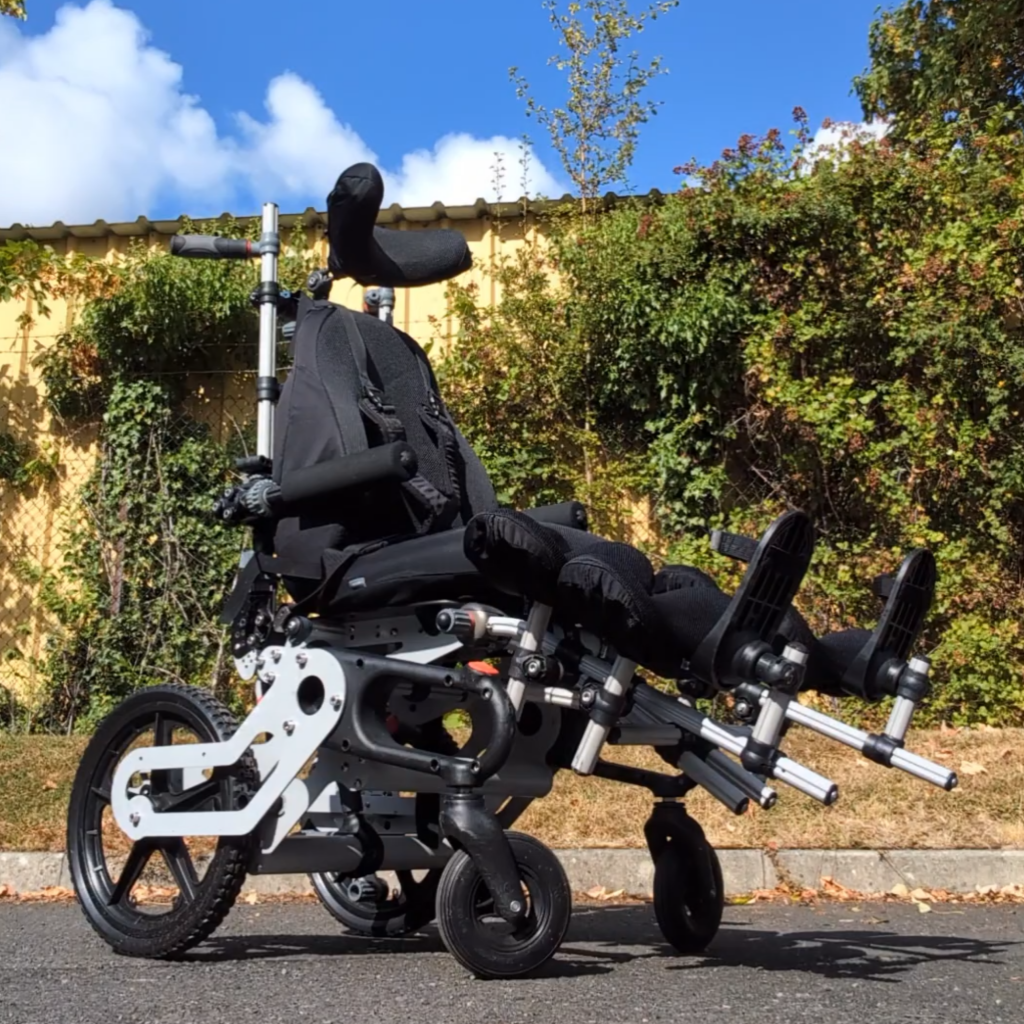
Seating Specialist Luke completed an urgent assessment and implemented a Chunc Spica chair configuration tailored to LJ’s presentation.
The chair provided:
Outcome
The response was immediate. Within minutes of positioning in the Chunc Spica chair:
These observations demonstrated the positive impact that appropriate postural support and supported upright positioning can have for children with complex respiratory and medical needs.
Following the intervention, LJ’s mother commented: ‘Chunc saves lives.”
Clinical reflection
This case highlights the importance of timely specialist seating intervention as part of a wider clinical management approach for medically complex children. For occupational therapists, physiotherapists, case managers, community teams, and hospital services, it demonstrates that specialist seating assessments can play an important role even in highly challenging clinical situations, including ICU discharge, oxygen dependency, complex respiratory presentations, and significant postural needs.
While every child responds differently, LJ’s case illustrates how appropriate seating provision can contribute to improved physiological stability, greater comfort, and safer participation in daily care, whilst recovering from surgery. It also demonstrates the value of responsive specialist assessment when supporting children whose needs extend well beyond posture alone and require careful consideration of respiratory, medical, and functional outcomes.