
Download the full compatibility guide here
Lap Belt
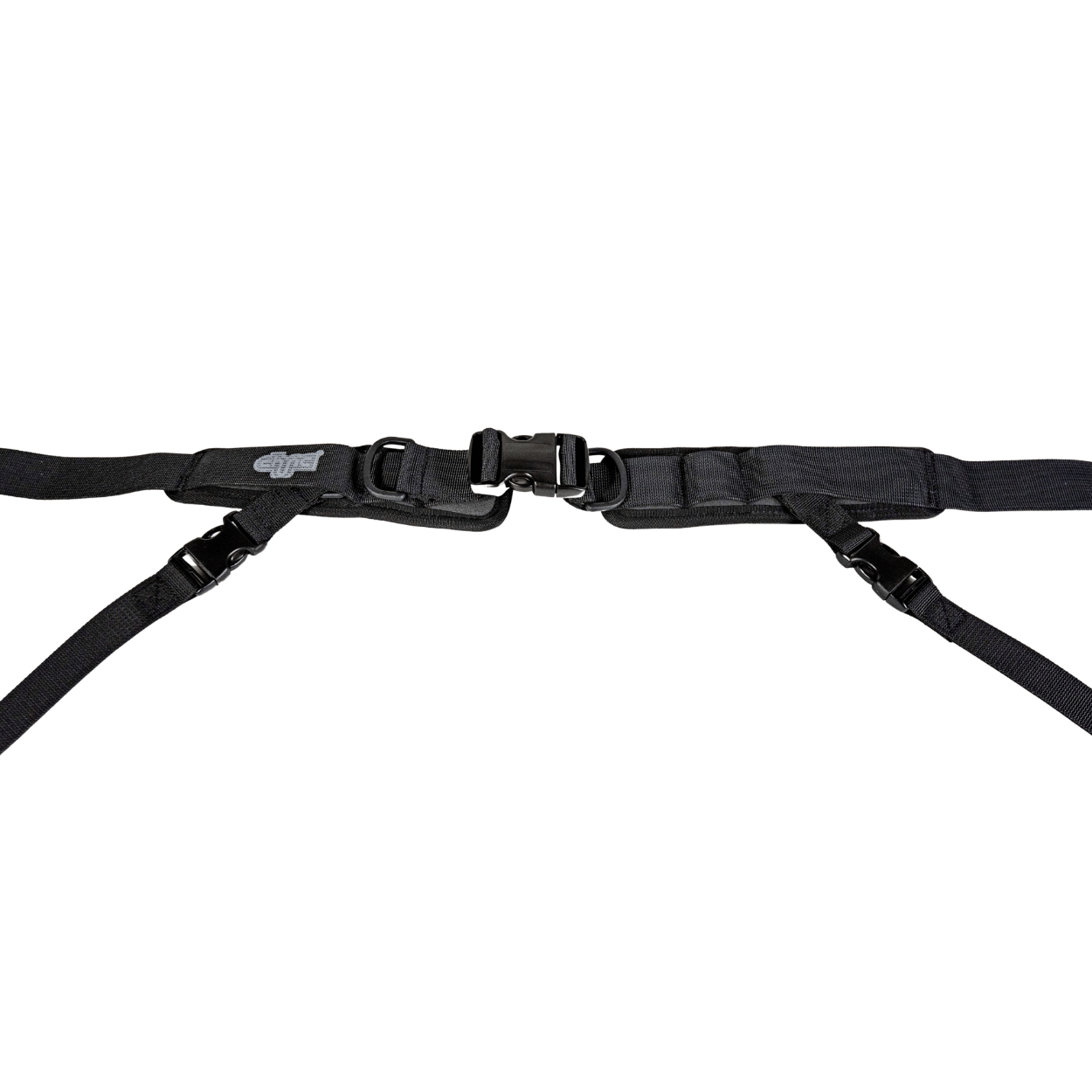
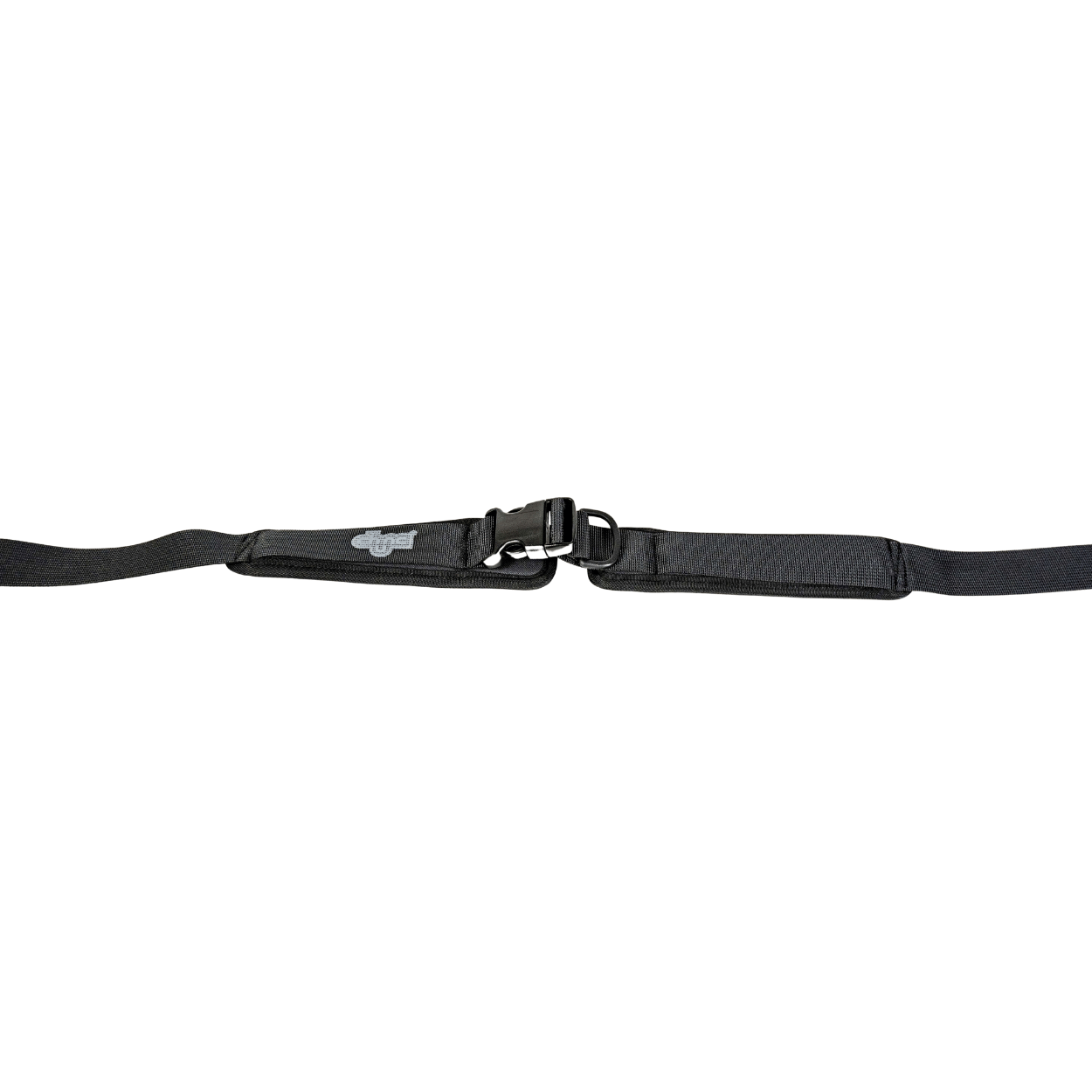
Lap Belt
We recommend a 2-point pelvic positioning lap belt is fitted as a minimum standard to stabilise the pelvis and maintain a safe, functional seated posture. It helps prevent forward sliding, supports postural alignment, improves pressure distribution, and enhances overall safety and comfort.
Product successfully added to the Quote List
Compatibility
FAQ's
What is a lap belt used for in wheelchair seating?
A lap belt is used to help maintain a stable and safe pelvic position while seated. It is positioned across the bony pelvis (hips) and helps anchor the user into the wheelchair, supporting a secure but non-restrictive posture.
What is the difference between a 2-point and 4-point lap belt system?
A 2-point system is the standard option and helps prevent forward sliding while maintaining general pelvic stability. A 4-point system provides additional directional control using both anterior and posterior anchoring points, offering greater support for more complex or unstable sitting postures.
Who is a lap belt suitable for?
Lap belts are suitable for users who require pelvic stability in sitting, including those with good to moderate trunk control or low to moderate postural asymmetry. The 4-point system is typically recommended for users with more complex needs, such as pelvic rotation or significant asymmetry.
Can a lap belt help with postural alignment?
Yes, when correctly fitted, a lap belt helps support a neutral pelvic position, which is the foundation for overall postural alignment. The 4-point system in particular can assist in managing asymmetry and reducing uneven pelvic loading.
How should a lap belt be fitted for safety and comfort?
The lap belt should sit across the bony pelvis rather than the soft abdomen and be adjusted to feel secure without being restrictive. Correct positioning is important to ensure both safety and effective postural support.
Description
Lap Belt
Designed to help maintain a stable and safe pelvic position in a seated posture. Secured across the pelvis (hips), anchoring chair user into the seat. It is positioned across the bony pelvis and adjusted to provide secure but non-restrictive support.
A 2-point system is typically used as the baseline option. Preventing forward sliding in the seat, maintaining general pelvic stability. Supports a neutral seated posture in users with:
- Good or moderate trunk control
- Predictable sitting balance
- Low to moderate postural asymmetry
A 4-point system provides additional directional control of the pelvis, using two anterior and two posterior/anchoring points. Best for complex or unstable sitting postures:
- Actively controls pelvic alignment in multiple planes
- Help correct or manage asymmetry
- Reduces pelvic rotation and uneven loading
If you would like support identifying the most appropriate option for an individual, or need help reviewing an existing seating setup, please get in touch.