
Recline Kit (180°)
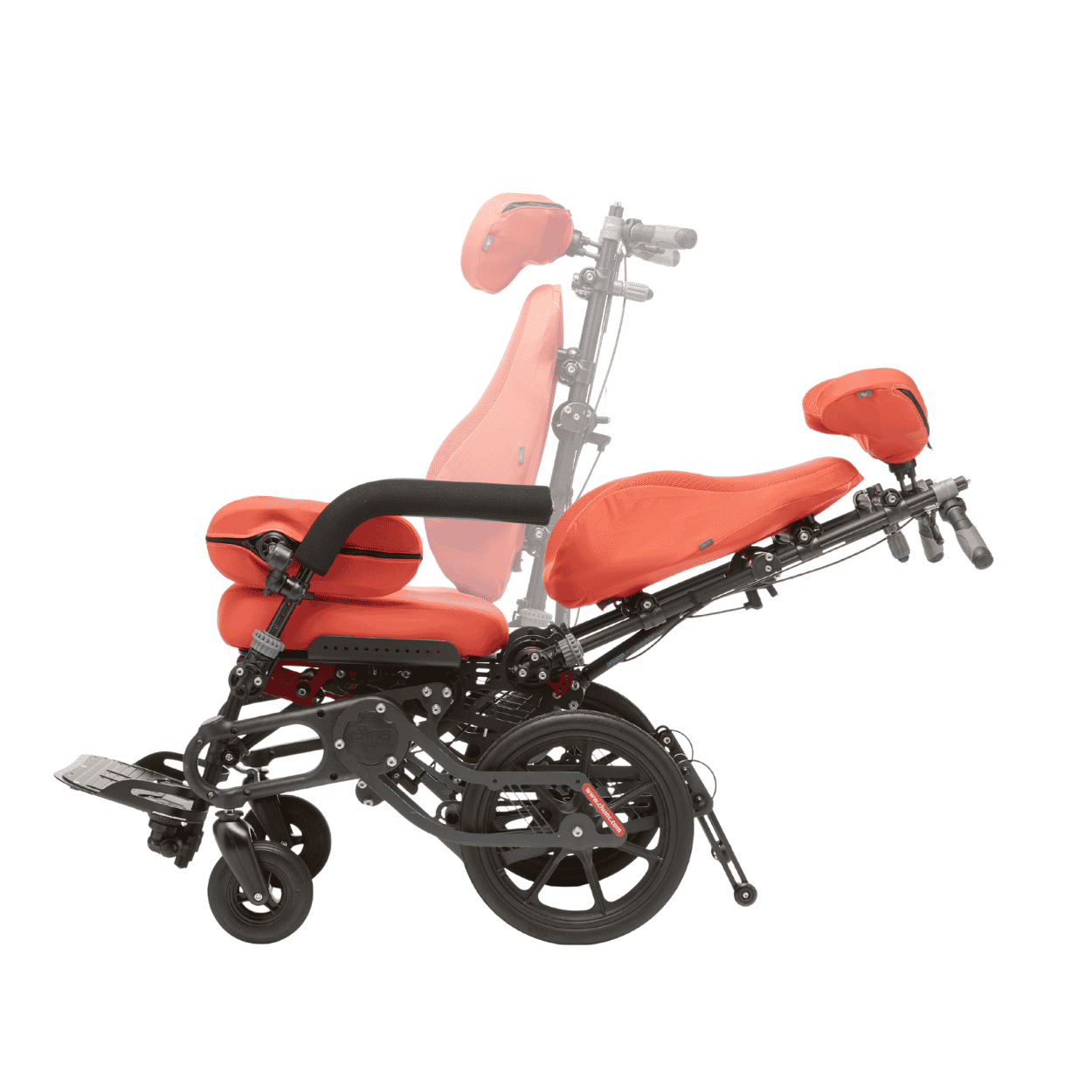
Recline Kit (180°)
Chunc Recline 180 provides maximum clinical positioning capability, enabling a full transition from seated to supine while maintaining tilt-in-space functionality for pressure management. Designed to support comprehensive 24-hour postural care, it allows seamless movement between sitting and lying positions for optimal comfort, rest, and clinical support. Available exclusively on the Chunc One wheelchair and Adapt wheelbase across all sizes.
Product successfully added to the Quote List
Compatibility
FAQ's
Description
Recline Kit (180°)
This configuration provides the highest level of clinical flexibility, combining tilt-in-space with full recline to 180°, enabling transition from seated to a fully supine position.
It supports full pressure redistribution and offers enhanced capability for managing complex needs, including high tone and spasticity. The ability to reposition fully within the chair can assist with hygiene care, unplanned events, and situations where reducing transfers is beneficial for both the user and carers.
Tilt-in-space continues to provide effective pressure management and postural stability during seated phases, while full recline enables complete body repositioning when required.
An important clinical consideration is that postural supports must be readjusted when moving into supine and again when returning to an upright position, as alignment changes significantly through these transitions.
Tilt-in-space at 45° underpins postural stability and pressure management, with recline extending capability to full supine positioning—introducing additional clinical considerations that must be managed as part of a complete seating system. Selection of the appropriate configuration should always be guided by an Occupational Therapist or specialist seating assessment to ensure safe and effective clinical outcomes.