
Download the full compatibility guide here
Shoulder Harnessing
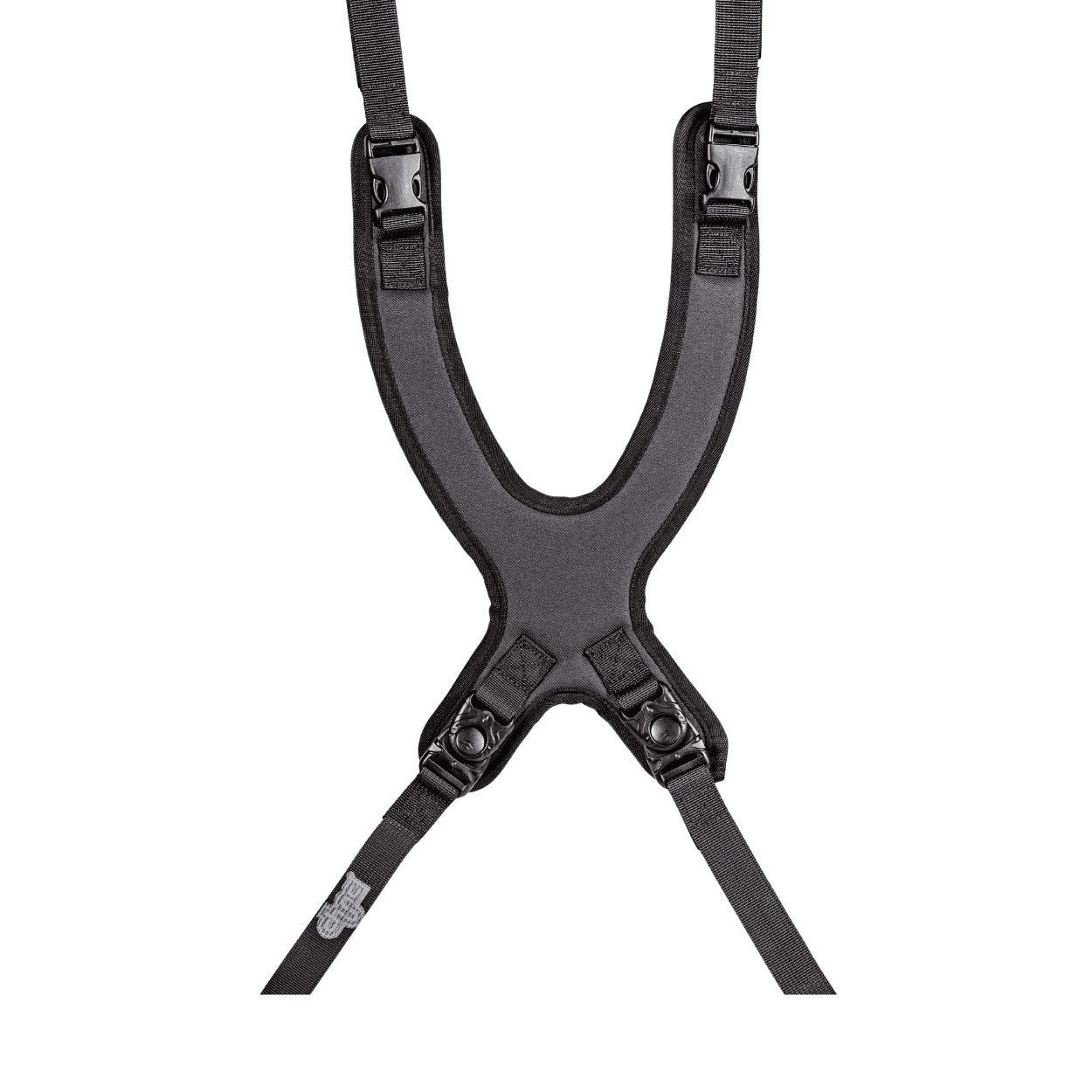
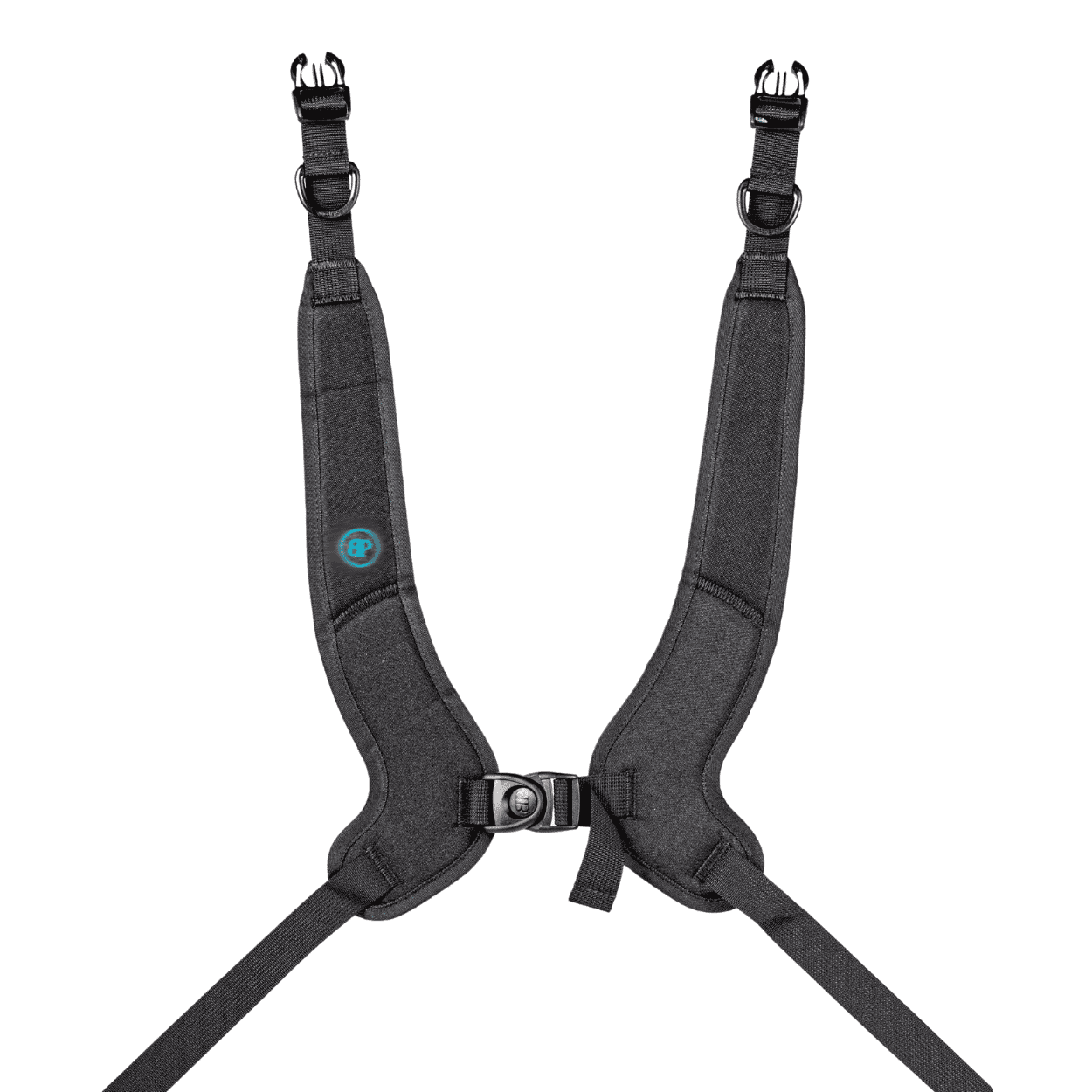
Shoulder Harnessing
Chest harnesses provide secondary upper body postural support, helping to improve trunk and thoracic alignment within a seating system. By offering anterior and posterior stability, they assist users who require additional support when pelvic and trunk positioning alone is not sufficient to maintain functional sitting.
Product successfully added to the Quote List
Compatibility
FAQ's
Description
Shoulder Harnessing
Chest harnesses are designed to provide additional upper body positioning within a wheelchair seating system. Used as a secondary postural support, they help improve trunk and upper thoracic alignment by offering gentle anterior and posterior stability. This makes them particularly beneficial when pelvic positioning and lateral supports alone are not enough to maintain functional sitting posture.
Harnessing should always complement, not replace, a well-configured seating setup. Accurate measurement and correct fitting are essential to achieve effective support, even pressure distribution, and long-term comfort. When properly positioned, the harness should sit securely across the chest without shifting during use, supporting stability while allowing functional movement.
A range of harness styles is available to suit different clinical needs. Cross-shoulder harnesses are typically used for higher levels of postural instability, asymmetry, or reduced trunk control. They help promote midline thoracic alignment and reduce asymmetrical collapse, making them suitable for users with significant instability, complex tone patterns, or poor head and trunk dissociation.
Narrow front-pull harnesses are suited to users requiring lighter support. These designs offer greater upper limb freedom while helping to resist forward flexion. They are often appropriate for mild to moderate instability or when reminder-style support is sufficient to maintain positioning.
Regular review is recommended to ensure the harness continues to provide effective support as needs change. Monitoring fit and positioning helps maintain comfort, minimise the risk of pressure, and ensure the user receives appropriate postural support within their overall seating system.