
Who can benefit from a tilt in space Wheelchair?
If you care for someone who finds it hard to sit upright for long periods, you’ve probably noticed how quickly they can start to lean, slide, or look uncomfortable. This can also affect breathing, skin health, and overall well being.
That’s where a tilt in space wheelchair can make a big difference.

What is tilt in space wheelchair seating?
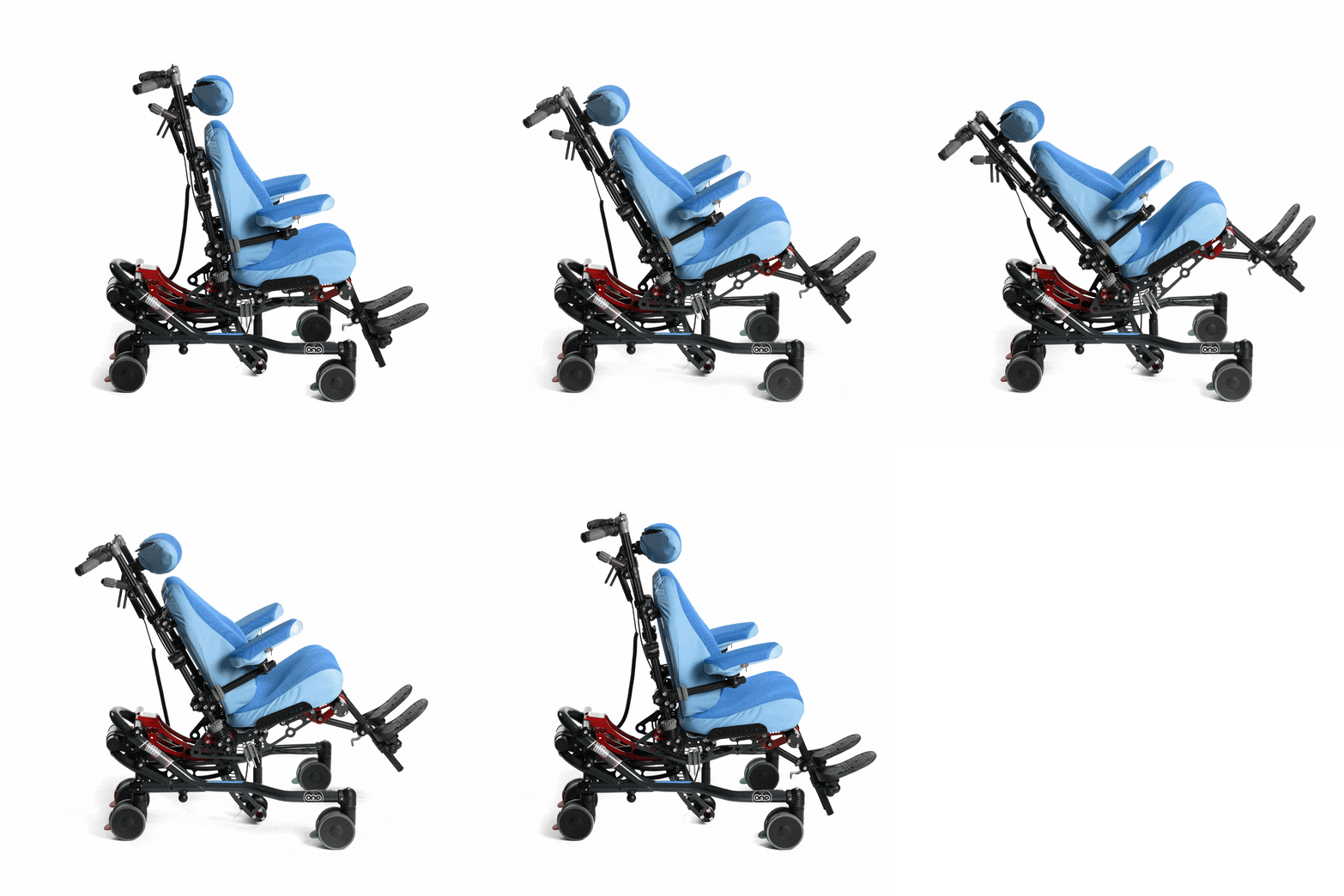
A tilt in space wheelchair allows the whole seat and back to tilt backwards together, while keeping the same hip and knee angles. This means your child’s body stays in the same supported position, but the pressure on their body changes.
This simple movement can help:
Tilt in space seating is often recommended for people who:
Why tilt in space matters
When someone sits upright for long periods, gravity and fatigue can cause them to slouch or slide forward. Over time, this can lead to poor posture, discomfort, and pressure on areas of the body that aren’t meant to take that much weight.
A tilt in space chair helps by:
For some people, using tilt in space can even make breathing easier and reduce the risk of chest infections by allowing the lungs to expand more fully.
How much tilt is needed?
Not all tilt chairs offer the same benefits. Research shows that at least 25 degrees of tilt is needed to properly relieve pressure and protect posture. Some chairs only offer small tilt, which may not provide enough support. Every Chunc chair has at least 35 degrees of tilt as standard.
In some cases, combining tilt with recline (where the backrest opens slightly) can give even better results for pressure relief and comfort.
If you’re choosing a chair, ask your therapist or equipment provider:
What can happen without enough support?
Without proper tilt in space support, people who need it can experience:
By giving the body a safe and supported way to change position, tilt in space helps prevent these problems and promotes long term health and wellbeing.